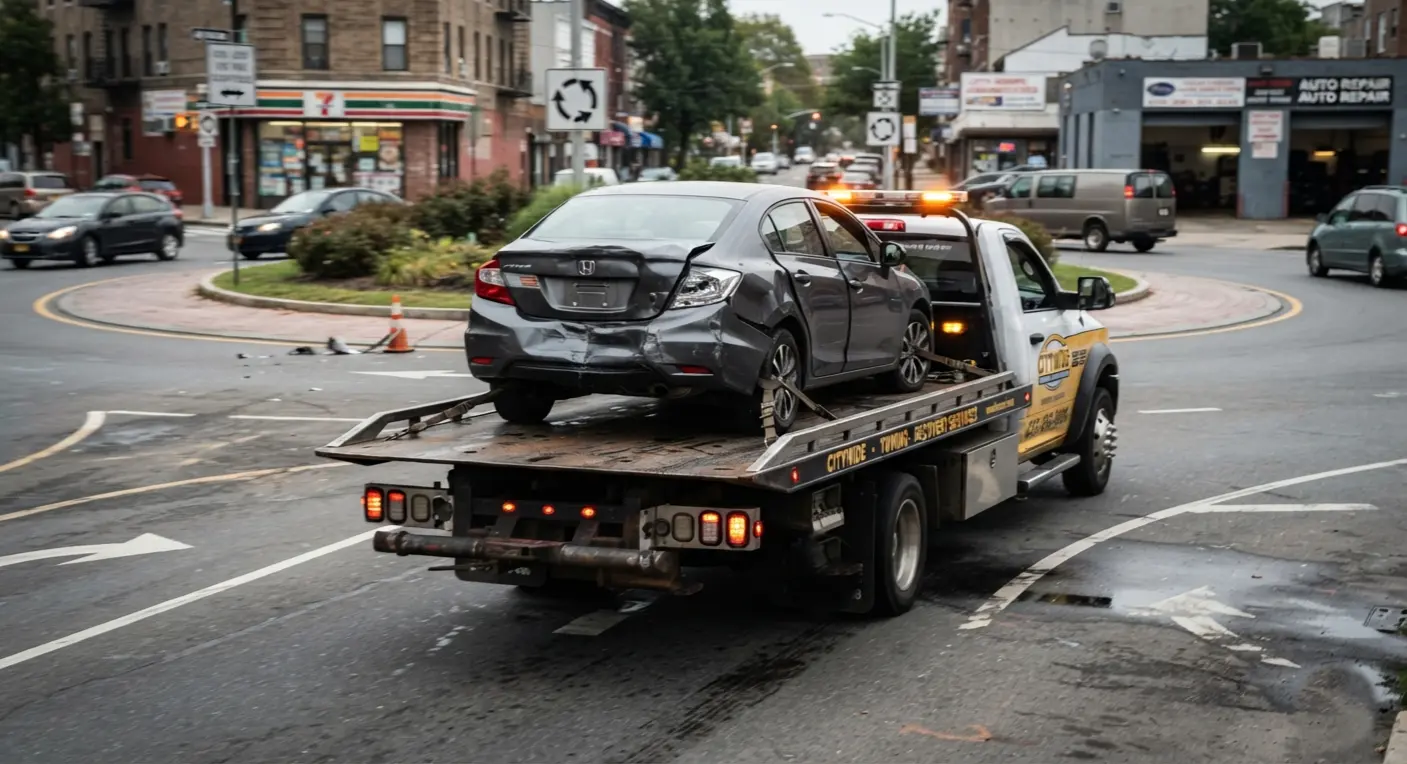
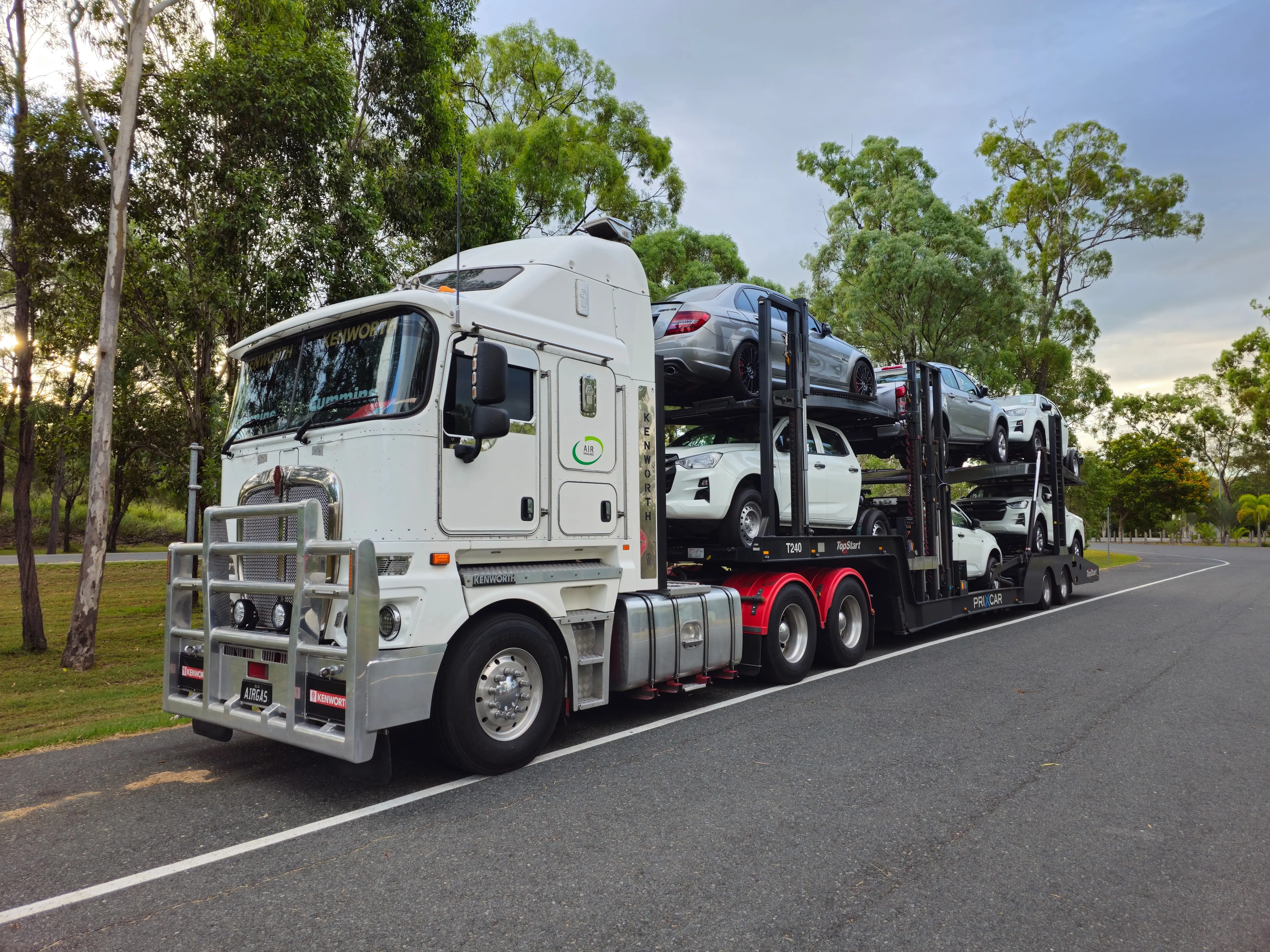
A vehicle that has taken an impact can look driveable without being so — misaligned steering, a compromised brake circuit or a deformed structure do not always show. That is why flatbed transport is the only sensible option. We work across Tarragona recovering damaged vehicles with winch, skates and a photographic record taken before anything moves.
In Tarragona the port sets the rhythm. Ro-ro traffic and vehicle terminals run to time windows, and matching collection or delivery to those windows is half the job. The other half is remembering that port access needs prior accreditation.
Moving a vehicle in Tarragona: what to know
It helps to set the context before going into detail. Tarragona's port is one of the Mediterranean's major chemical ports and also handles vehicle traffic. The Roman archaeological sites place real access limits on parts of the city centre.
The AP-7 and N-340 shape onward moves towards Barcelona and Valencia. There is more background on the city in its Wikipedia entry.
The reason we photograph the vehicle
On an already damaged vehicle, distinguishing pre-existing damage from transport damage would be impossible without a record. That is why the vehicle is photographed from several angles before loading and the condition noted on the job sheet.
The record protects both sides. It evidences the state at handover for the owner, and it defines clearly for the carrier what damage existed before anyone touched the vehicle.
Multi-vehicle incidents and coordination
Multi-vehicle incidents create a situation where the priority is clearing the carriageway safely. Sometimes that means moving a vehicle to a nearby point first and loading it properly afterwards.
If several vehicles are going to the same destination, moving them together noticeably reduces the total cost against individual jobs.
Transport insurance: the question always worth asking
A properly run move records the vehicle's condition before loading, normally photographically, and records it again at delivery. That evidence is what settles any later disagreement quickly.
It is worth confirming the company holds the relevant transport authorisation with the Spanish Ministry of Transport and a current policy. That is the difference between a professional service and someone with a hired trailer.
In Tarragona it is worth distinguishing a door-to-door move from one ending inside the port area: access requirements and waiting times are nothing alike.
Coordinating with your insurer
Your insurer needs to assess the vehicle, which means it has to be somewhere the assessor can reach. Moving it to the designated garage or an agreed compound is part of the process, and worth coordinating so that storage days do not pile up unnecessarily.
Keeping the transport documentation is useful: it evidences when the vehicle was moved and in what state, which can matter if there is later disagreement about the extent of the damage.
Regulations that apply to moving a vehicle
Spanish law draws a clear line between a vehicle fit for the road and one that is not. Where the ITV has lapsed, insurance has ended, or the vehicle is on temporary deregistration, driving it stops being legal and the Dirección General de Tráfico (DGT) can penalise it.
Beyond Royal Decree 920/2017 governing the ITV roadworthiness test, road transport of vehicles is subject to operating requirements overseen by the Spanish Ministry of Transport, including transport authorisation and goods-in-transit insurance.
How quickly a damaged vehicle is cleared
When the vehicle is obstructing the carriageway, clearance is urgent and treated as such. Once it is somewhere safe or already in a compound, the move can be scheduled with more flexibility, which usually makes it cheaper.
Distinguishing between those two situations when you call helps organise the job properly. A genuine emergency is attended immediately; a scheduled move allows the route and the cost to be optimised.
The risk of moving a crashed car
A vehicle that has taken an impact can look driveable without being so. Steering geometry may have shifted, the brake circuit may be compromised, the chassis may have deformed invisibly, and safety systems may have been rendered inoperative.
There is a legal dimension too: driving a vehicle whose safety equipment does not function is an offence, and in the event of a second incident the driver's position with their insurer becomes very weak indeed.
What to do at the scene of an accident
The sequence is always the same: protect, alert, assist. Mark the scene to prevent a second impact, call 112 if anyone is injured or the road is blocked, and do not move anyone who may have a neck injury unless there is immediate danger.
With people attended to, the documentation follows: an accident report form, or a police report if officers attend, photographs of the vehicles' positions before anything is moved, and witness details if there are any. All of it matters later with the insurers.
Other services in Tarragona
There is more detail on accident vehicle recovery, the full list on our services page, and you can reach us through contact for an assessment of your situation in Tarragona.
Points to review in Tarragona
Before collection, check no personal documents are left in the glovebox. It is where forgotten paperwork most often turns up, and some of it contains details you would not want travelling unsupervised.
If you are selling the vehicle and the buyer arranges transport, put in writing when responsibility passes. It is normally at key handover, but both parties benefit from having it stated.
If you will not be present at collection or delivery, put in writing who hands over and who receives the keys, with a phone number. This is the single most common cause of avoidable delay.
Photograph the vehicle before loading, including all four corners, the roof and underneath if you can. It takes two minutes and settles any later disagreement about a scratch.
If the vehicle has been in an accident, say what is damaged and whether the wheels still turn. A vehicle that will not roll needs a winch and sometimes dollies.
If you need the vehicle by a fixed, immovable date, say so when booking rather than afterwards. With enough notice it can almost always be accommodated; with twenty-four hours, often not.
On keyless-start vehicles, remember the fob must travel with you or be handed over at the destination, but never left inside the car in transit. It is a more common oversight than you would think and leaves the vehicle locked on arrival.
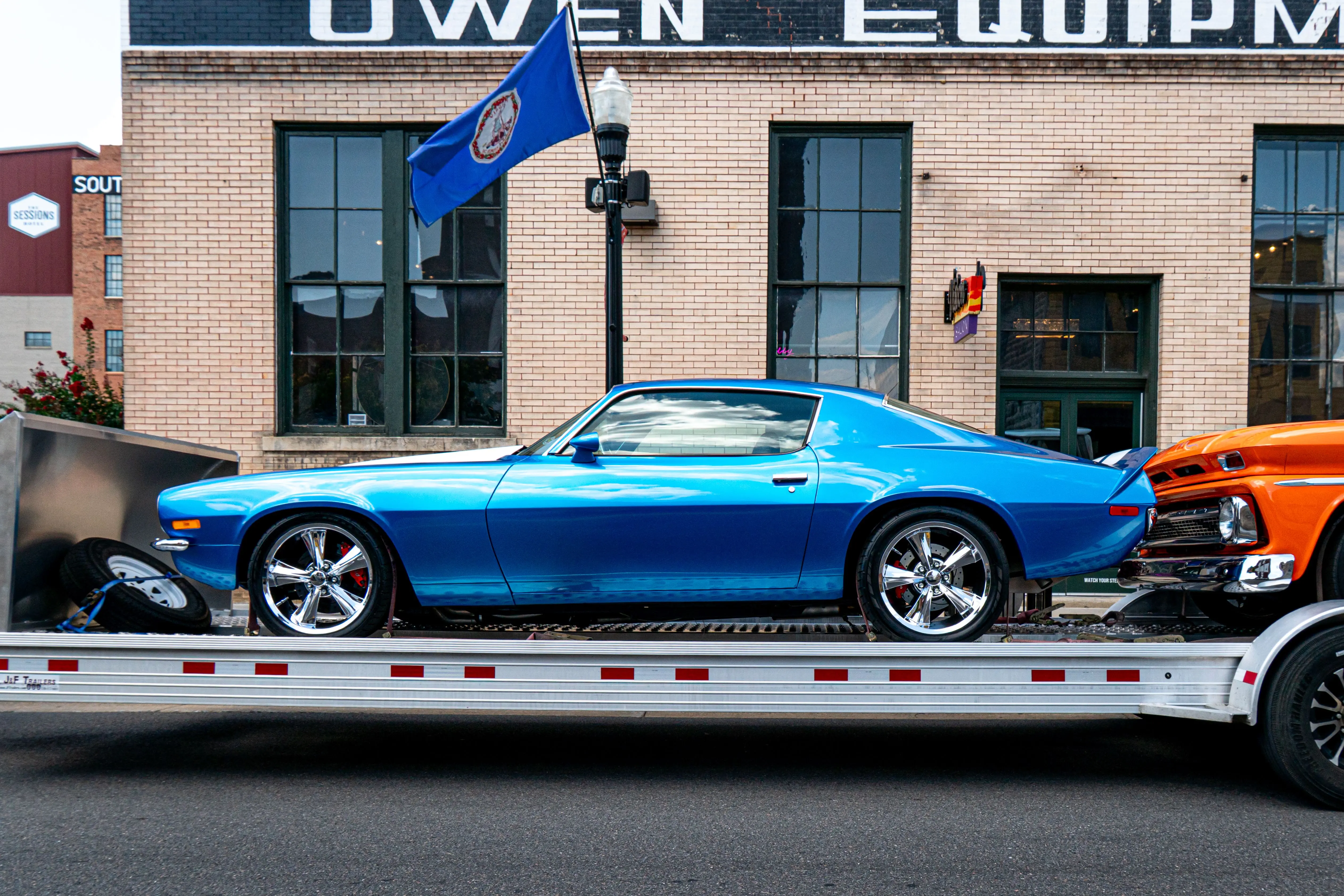
Open transporters are the standard option and perfectly safe for most vehicles. Enclosed transport makes sense for classics, high-value cars and anything with very low ground clearance.
Keep the job documentation recording the vehicle's condition. It is the reference point if a question about damage and its timing comes up later.
Before the truck arrives, take the documentation, spare keys and anything valuable out of the vehicle. It travels unaccompanied, and items left inside are not covered as luggage.
In low-emission zones, verify whether the transport truck can enter during the planned time window. Many restrictions apply to heavy vehicles even where the car being carried would itself be allowed through.
Agree who signs for the vehicle at the destination. If it arrives at a closed workshop or an address where nobody is present, the driver cannot simply leave it, and waiting time or a second attempt both cost money.
If the vehicle will sit on a public street waiting for collection, check there are no timed restrictions or scheduled clearing on that road. A car towed by the local authority while waiting for transport complicates matters considerably and adds costs nobody planned for.
Flag it if the vehicle has stood unused for a long period. Flat tyres, seized brakes or a completely dead battery all change how it has to be loaded.
If the vehicle contains fuel cans or any flammable material, remove it beforehand. Dangerous goods transport is governed by its own regulations and cannot travel mixed in with the vehicle.
If the vehicle is in an underground car park, check the clearance height first. Many garages cannot take a transporter and the car has to be brought up to street level.
For vehicles with bulky modifications or accessories — roof racks, bike carriers, bull bars — mention them. They can affect the overall height of the loaded truck and whether it clears certain access points.
On long moves, asking how many loading and unloading points the truck has helps explain the timescale. A truck making several stops takes longer than a direct run.
Battery condition matters even for a transport job. If the vehicle has to move a few metres under its own power to get out of a garage or a parking bay, a live battery saves time and avoids resorting to auxiliary equipment.
If the collection is from a building with a communal garage, tell the manager or concierge. A transporter manoeuvring on a shared ramp without warning creates avoidable friction with neighbours.
If the move is a private sale, coordinate payment and key handover clearly. The carrier moves the vehicle; it takes no part in the transaction.
On moves crossing several autonomous communities, bear in mind that heavy vehicle driving restrictions vary at weekends and on public holidays. That can affect the specific delivery day.
A vehicle leaking oil or fuel should be flagged before transport. It does not prevent the move, but it affects where the car sits on the deck and what protection goes underneath it.
Bear in mind that in peak periods — summer, or the start and end of the season — lead times stretch. Booking ahead is the simple way around it.
Keep the job reference or delivery note. If you later need to evidence the move to an insurer, a workshop or the authorities, that document proves when and how the vehicle was moved.
If the move includes a sea crossing, check what documentation the ferry operator requires for the vehicle. The registration document and owner details are usually needed, and a missing paper means missing the sailing.
Get the name and number of the driver handling the job, or at least a direct operational contact. On the day, being able to resolve a question in two minutes prevents an hour of waiting.
If the vehicle has any quirk — lowered suspension, an automatic gearbox locked in park, a flat battery — mention it when requesting the quote so the right equipment turns up.
In summary
If you need a vehicle moved in Tarragona, the most useful thing is an assessment of your specific situation. We give you a total price and a realistic timescale, not a per-kilometre rate that grows later.
Damaged vehicle in Tarragona
We load with winch and skates even when the vehicle will not roll, and record its condition before moving it.