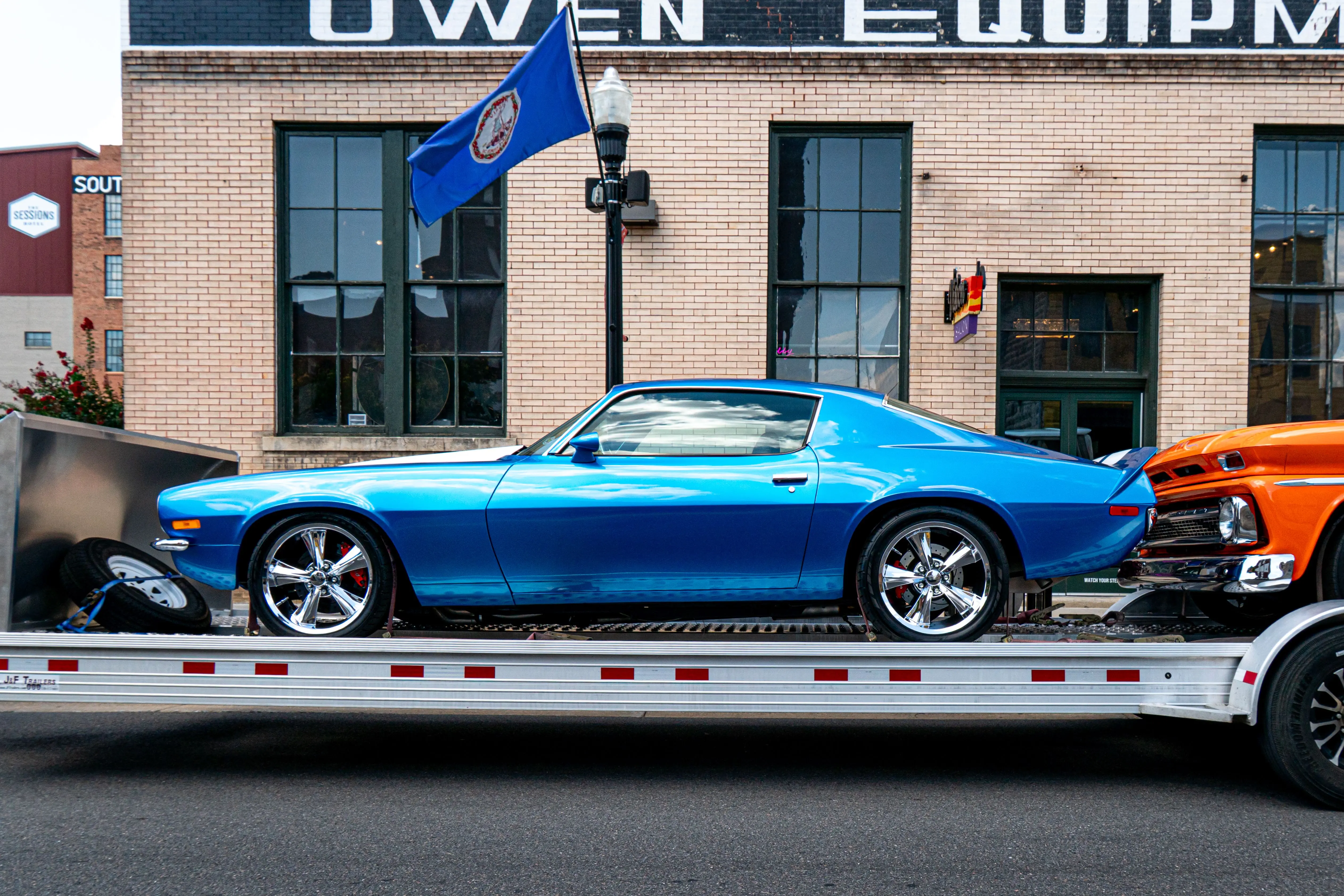
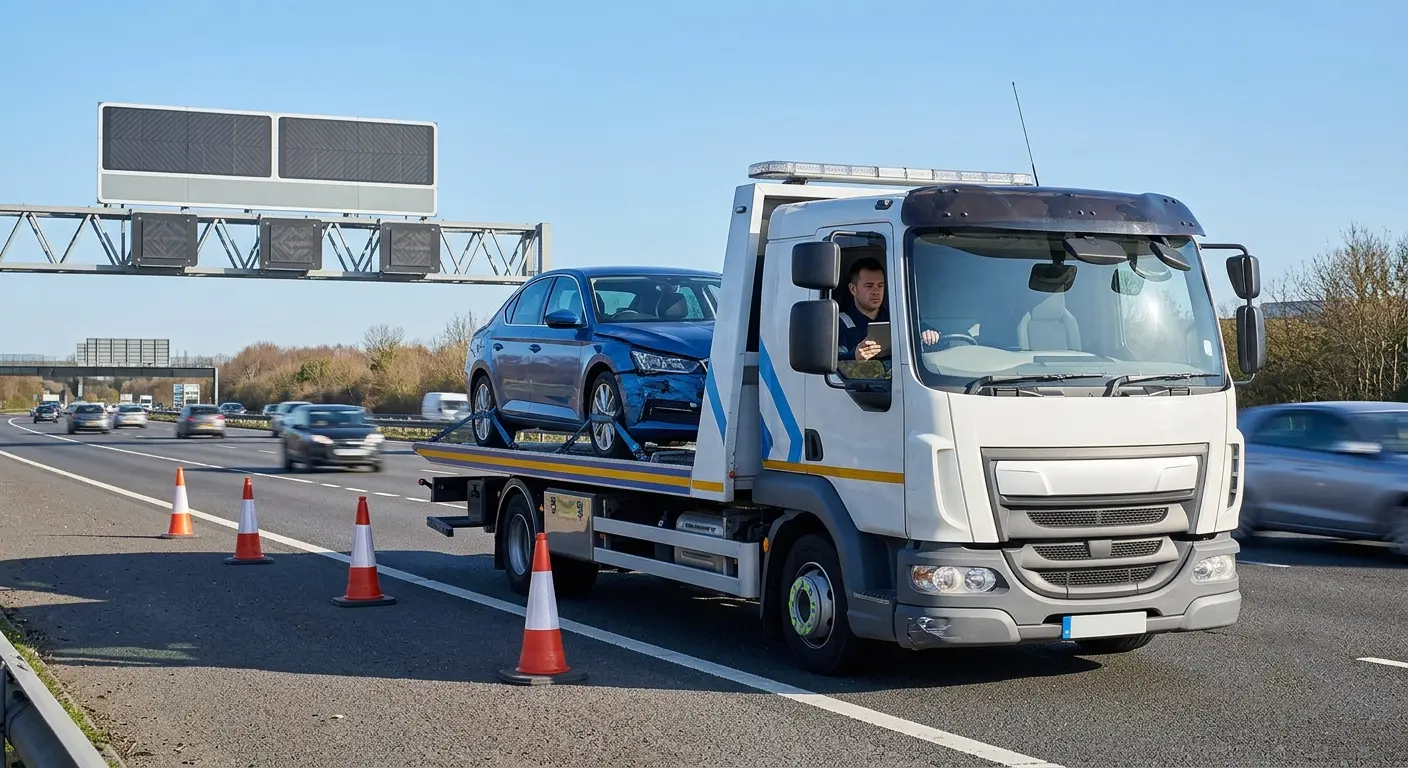
With an expired ITV, no insurance, or on temporary deregistration, a vehicle cannot be used on public roads. The fine is the least of it — the real exposure is losing cover in an accident. We move non-road-legal vehicles across Alicante on flatbeds, which is the lawful way to do it.
In Alicante a significant share of the vehicles we move carry foreign plates or belong to owners who live abroad for much of the year. That adds two layers: the documentation is not always the standard Spanish set, and arrangements often have to be made with someone who is not in the country.
Moving a vehicle in Alicante: what to know
It helps to set the context before going into detail. Alicante province is home to one of Spain's largest foreign resident communities. Moving vehicles between Alicante and other European countries is routine here, often with registration paperwork attached.
The AP-7 and A-31 carry connections towards Valencia and Madrid respectively. There is more background on the city in its Wikipedia entry.
Impounded or restricted vehicles
Administrative restrictions on a vehicle — seals, seizures or registry entries — limit what can be done with it. Checking the vehicle report before the move avoids unpleasant surprises.
Once the situation is regularised and all that remains is getting the vehicle to a specific place, flatbed transport is the standard procedure.
How the service works, step by step
The process starts with three pieces of information: where the vehicle is, where it is going, and what condition it is in. From that a price and a time window are agreed. On the day, the condition is recorded, the vehicle is loaded and moved.
At delivery the condition is recorded again and formal handover made to whoever is receiving it. The whole process appears on the job documentation, which is worth keeping.
Transport insurance: the question always worth asking
A properly run move records the vehicle's condition before loading, normally photographically, and records it again at delivery. That evidence is what settles any later disagreement quickly.
It is worth confirming the company holds the relevant transport authorisation with the Spanish Ministry of Transport and a current policy. That is the difference between a professional service and someone with a hired trailer.
Coordinating remotely with the owner is normal in Alicante, so being clear about who hands over and who receives the keys prevents most problems.
Temporary deregistration and what it means
A vehicle on temporary deregistration is, for road purposes, out of service: it cannot be used on public roads under any circumstances. It can be moved on a flatbed, which is the normal way of getting it to a garage or a new address.
The same applies to a vehicle without compulsory insurance in force. Driving uninsured is among the most serious traffic offences in Spain and can bring immobilisation of the vehicle on top of the fine.
No valid ITV: what you can and cannot do
With an expired ITV, the vehicle cannot be driven on public roads except in one narrow case: travelling to a test station with a booked appointment. Outside that, any journey is an offence and can end with the vehicle immobilised.
The bigger problem is not the fine but the insurance. In an accident with an expired ITV, your insurer may reduce the settlement or recover its costs from you, leaving the driver exposed to a figure far larger than the penalty.
Common situations with foreign plates
Foreign residents who bring a vehicle from their home country face a deadline to register it in Spain once they establish residence. During that transition, and especially once the deadline has passed, flatbed transport avoids problems.
In areas with a large international population this is one of the most requested services: moving the vehicle to the import ITV, to a workshop for type approval, or home while the paperwork is completed.
What you risk by driving a non-compliant vehicle
The consequences come at three levels. The fine is the most visible and the least serious. Immobilisation is worse, because it adds compound and administration costs. The loss of insurance cover is the one that can genuinely ruin someone.
In an accident with injuries where the vehicle had no ITV or no insurance, the driver can end up personally liable for damages a policy would normally cover. That is the risk almost nobody calculates.
What the law says about moving a vehicle that cannot be driven
Driving without a current ITV carries a fine and can result in the vehicle being immobilised under the rules the Dirección General de Tráfico (DGT) enforces. There is a larger problem behind it: in the event of an accident, your insurer may reduce or refuse cover entirely.
Royal Decree 920/2017 governing the ITV roadworthiness test allows a limited exception for travelling to a booked inspection, but it does not permit normal use of the vehicle. Any other journey requires it to be carried on a transporter.
Other services in Alicante
Non-road-legal in other cities
There is more detail on non-road-legal vehicle transport, the full list on our services page, and you can reach us through contact for an assessment of your situation in Alicante.
Practical advice for your move
On moves crossing several autonomous communities, bear in mind that heavy vehicle driving restrictions vary at weekends and on public holidays. That can affect the specific delivery day.
If you are selling the vehicle and the buyer arranges transport, put in writing when responsibility passes. It is normally at key handover, but both parties benefit from having it stated.
Be wary of quotes well below market rate. In vehicle transport, a low price usually means no goods-in-transit insurance, no operating authorisation, or neither.
Before confirming, check the quote is fixed rather than an estimate subject to surcharges. Extras for difficult access or a non-rolling vehicle should be clear from the outset.
If the vehicle is on rural land or at the end of an unsurfaced track, state the distance from the tarmac road. An articulated truck cannot enter every lane, and sometimes the car has to be brought out to a meeting point.
Have the vehicle and ownership documents ready. On moves ending at a port terminal or crossing a border, that paperwork matters as much as the vehicle itself.
Battery condition matters even for a transport job. If the vehicle has to move a few metres under its own power to get out of a garage or a parking bay, a live battery saves time and avoids resorting to auxiliary equipment.
Agree who signs for the vehicle at the destination. If it arrives at a closed workshop or an address where nobody is present, the driver cannot simply leave it, and waiting time or a second attempt both cost money.
Make sure the alarm is disabled, or that the driver knows how to disable it. An alarm going off in transit means stopping and complicates the job for no reason.
If the move is a private sale, coordinate payment and key handover clearly. The carrier moves the vehicle; it takes no part in the transaction.
If the vehicle will sit on a public street waiting for collection, check there are no timed restrictions or scheduled clearing on that road. A car towed by the local authority while waiting for transport complicates matters considerably and adds costs nobody planned for.
On classic vehicles with carburettors or older systems, say whether the engine needs any particular starting procedure. If it has to be moved even a few metres, that information saves time.
If the vehicle has any quirk — lowered suspension, an automatic gearbox locked in park, a flat battery — mention it when requesting the quote so the right equipment turns up.
Before collection, check no personal documents are left in the glovebox. It is where forgotten paperwork most often turns up, and some of it contains details you would not want travelling unsupervised.
On vehicles with large-diameter wheels and low-profile tyres, the approach to the ramps needs more care. It is worth mentioning so the right angle is prepared and the tyre or rim is not scuffed.
Photograph the vehicle before loading, including all four corners, the roof and underneath if you can. It takes two minutes and settles any later disagreement about a scratch.
Moving several vehicles together usually works out considerably cheaper per unit than separate jobs. If you have more than one to move, it is worth quoting them as one.
Realistic timescales depend on distance and route, not optimism. A company that promises any deadline without asking where the vehicle is probably will not meet it.
Check whether your own policy covers the vehicle while it sits at a third-party workshop or compound. It is a frequent gap between the end of transport and the start of repair, and worth clarifying.
Keep the job documentation recording the vehicle's condition. It is the reference point if a question about damage and its timing comes up later.
If you will not be present at collection or delivery, put in writing who hands over and who receives the keys, with a phone number. This is the single most common cause of avoidable delay.
Before the truck arrives, take the documentation, spare keys and anything valuable out of the vehicle. It travels unaccompanied, and items left inside are not covered as luggage.
Check the overall height if the vehicle is a van, a camper or a 4x4 with roof accessories. The vehicle's height plus the deck height determines what the loaded truck can pass under.
If the destination is an ITV test station, confirm you have a booked appointment and the time. Matching the vehicle's arrival to the appointment slot avoids long waits and a second visit.
For vehicles with bulky modifications or accessories — roof racks, bike carriers, bull bars — mention them. They can affect the overall height of the loaded truck and whether it clears certain access points.
Keep the job reference or delivery note. If you later need to evidence the move to an insurer, a workshop or the authorities, that document proves when and how the vehicle was moved.
If the collection is from a building with a communal garage, tell the manager or concierge. A transporter manoeuvring on a shared ramp without warning creates avoidable friction with neighbours.
In summary
If you need a vehicle moved in Alicante, the most useful thing is an assessment of your specific situation. We give you a total price and a realistic timescale, not a per-kilometre rate that grows later.
Vehicle not road legal in Alicante?
Tell us the vehicle's administrative situation and we will explain exactly how it gets resolved.