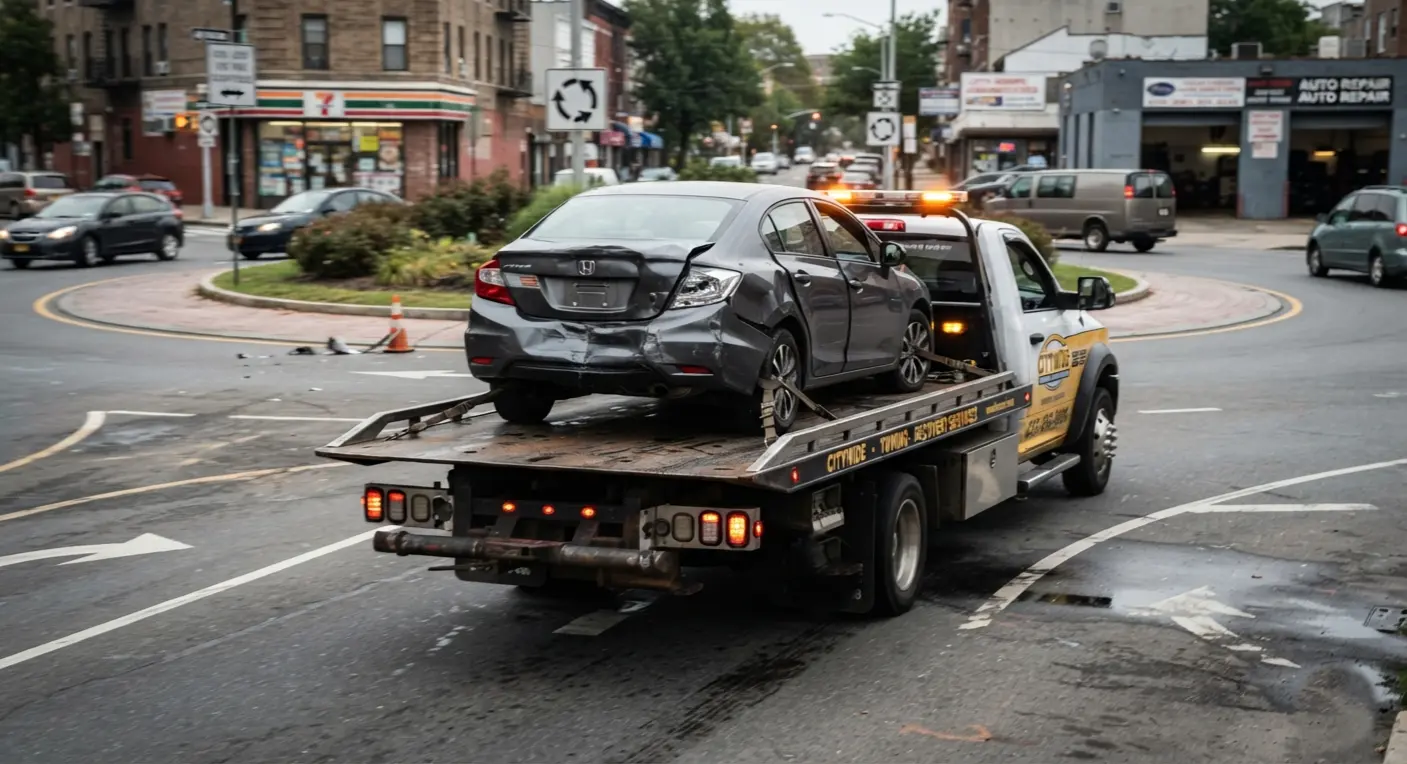
A car stopped on the hard shoulder is uncomfortable and, more to the point, unsafe. In Sevilla we take breakdown calls at any hour of the day or night, with flatbed vehicles that move the car without putting any further strain on it and without adding kilometres to an engine that is already in trouble.
In Sevilla the main constraint is reaching the centre. Historic quarters and restricted traffic zones limit which vehicles can get close, and the answer is often to agree an accessible meeting point rather than force an impossible street.
What makes Sevilla different
Sevilla is a regular destination for our work, and it comes with conditions of its own. Seville has Spain's only river port, reached along the Guadalquivir. Its historic centre is one of the largest in Europe, with extremely narrow streets.
The A-4, A-49 and A-92 connect it to Madrid, Huelva and the rest of Andalusia.
The legal position: when transport stops being optional
Driving without a current ITV carries a fine and can result in the vehicle being immobilised under the rules the Dirección General de Tráfico (DGT) enforces. There is a larger problem behind it: in the event of an accident, your insurer may reduce or refuse cover entirely.
Royal Decree 920/2017 governing the ITV roadworthiness test allows a limited exception for travelling to a booked inspection, but it does not permit normal use of the vehicle. Any other journey requires it to be carried on a transporter.
A recovery quote, broken down
Price depends on the distance between collection and destination, the vehicle type, how difficult the access is, and the time of day. A night or public holiday call-out costs more, for obvious reasons of availability.
What should not happen is unannounced extras appearing at the end. Charges for awkward access, for a non-rolling vehicle, or for out-of-hours work belong in the original quote.
Because Sevilla is a road junction, long-distance moves from here usually have more route options and therefore more scheduling flexibility.
When you should not restart the engine
The urge to make it to the garage under your own power is understandable but usually expensive. With oil pressure compromised, an engine can destroy itself within minutes of running, and no warranty covers that.
The same applies to transmissions. An automatic gearbox that has lost fluid or is making unusual noises should not turn a wheel. On four-wheel-drive vehicles, towing with wheels on the road can damage the drivetrain outright, making flatbed transport the only safe option.
How long it takes and why
The most useful thing a caller can do to shorten the wait is give a precise location: kilometre marker and direction of travel on a road, or exact address and landmarks in a town. Phone location sharing helps a great deal.
Mentioning the vehicle type and whether it rolls matters too. Sending the right truck first time avoids the worst outcome, which is a second trip with the correct equipment.
How your vehicle is covered while it is being moved
A properly run move records the vehicle's condition before loading, normally photographically, and records it again at delivery. That evidence is what settles any later disagreement quickly.
It is worth confirming the company holds the relevant transport authorisation with the Spanish Ministry of Transport and a current policy. That is the difference between a professional service and someone with a hired trailer.
What changes when the car is electric
A broken-down electric vehicle has requirements of its own. It cannot be towed with driven wheels on the ground, because the motor would spin as a generator, and any handling has to respect the high-voltage system, which operates at genuinely dangerous voltages.
If the call-out is simply a depleted traction battery, the vehicle will not move under its own power and flatbed transport is the normal procedure. If there is any sign of battery damage — smell, smoke or deformation — the situation changes completely and needs a specific protocol.
Breakdowns outside office hours
Breakdowns do not respect office hours, and a substantial share of call-outs come at night, at weekends or on public holidays. A service that only operates nine to five leaves the driver waiting at the worst possible moment.
Operating around the clock is more than leaving a phone switched on — it means having vehicles and crew ready to go at any hour. The difference shows in actual arrival time, not in the answerphone message.
How a broken-down car should travel
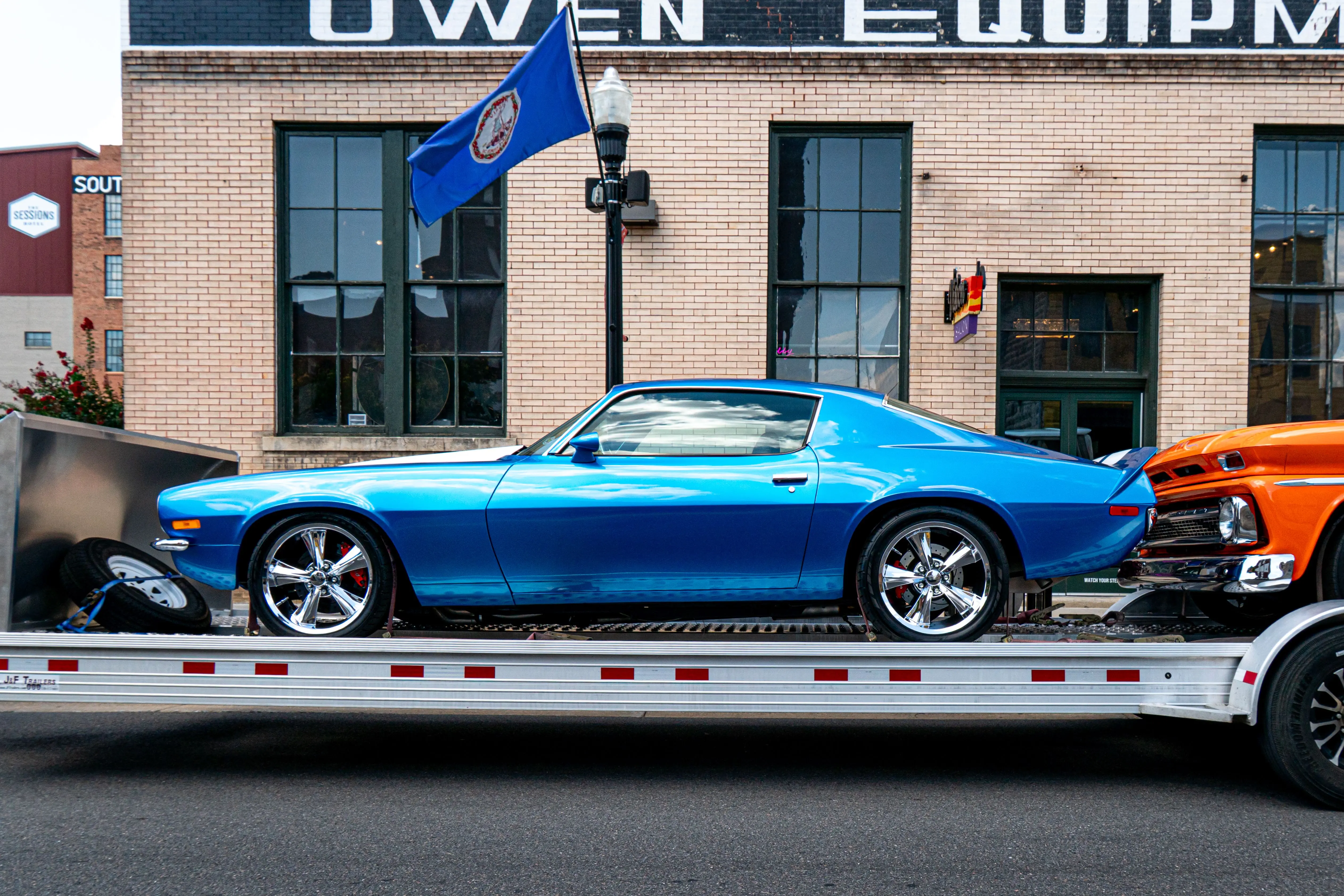
A flatbed carries the whole vehicle on the deck with all four wheels off the ground. That removes tyre wear, spares the transmission a rotation it was never designed for while stationary, and avoids damage to whichever axle would otherwise be rolling.
On vehicles with automatic gearboxes, four-wheel drive or electronic traction systems, a flatbed is not a preference but a manufacturer requirement. Towing with driven wheels in contact with the road can cause serious drivetrain damage.
Other services in Sevilla
You can read more about breakdown recovery or browse all our services. For a specific quote in Sevilla, the quickest route is to get in touch.
Practical advice for your move
If you need the vehicle by a fixed, immovable date, say so when booking rather than afterwards. With enough notice it can almost always be accommodated; with twenty-four hours, often not.
Agree who signs for the vehicle at the destination. If it arrives at a closed workshop or an address where nobody is present, the driver cannot simply leave it, and waiting time or a second attempt both cost money.
Have the vehicle and ownership documents ready. On moves ending at a port terminal or crossing a border, that paperwork matters as much as the vehicle itself.
If the move is a private sale, coordinate payment and key handover clearly. The carrier moves the vehicle; it takes no part in the transaction.
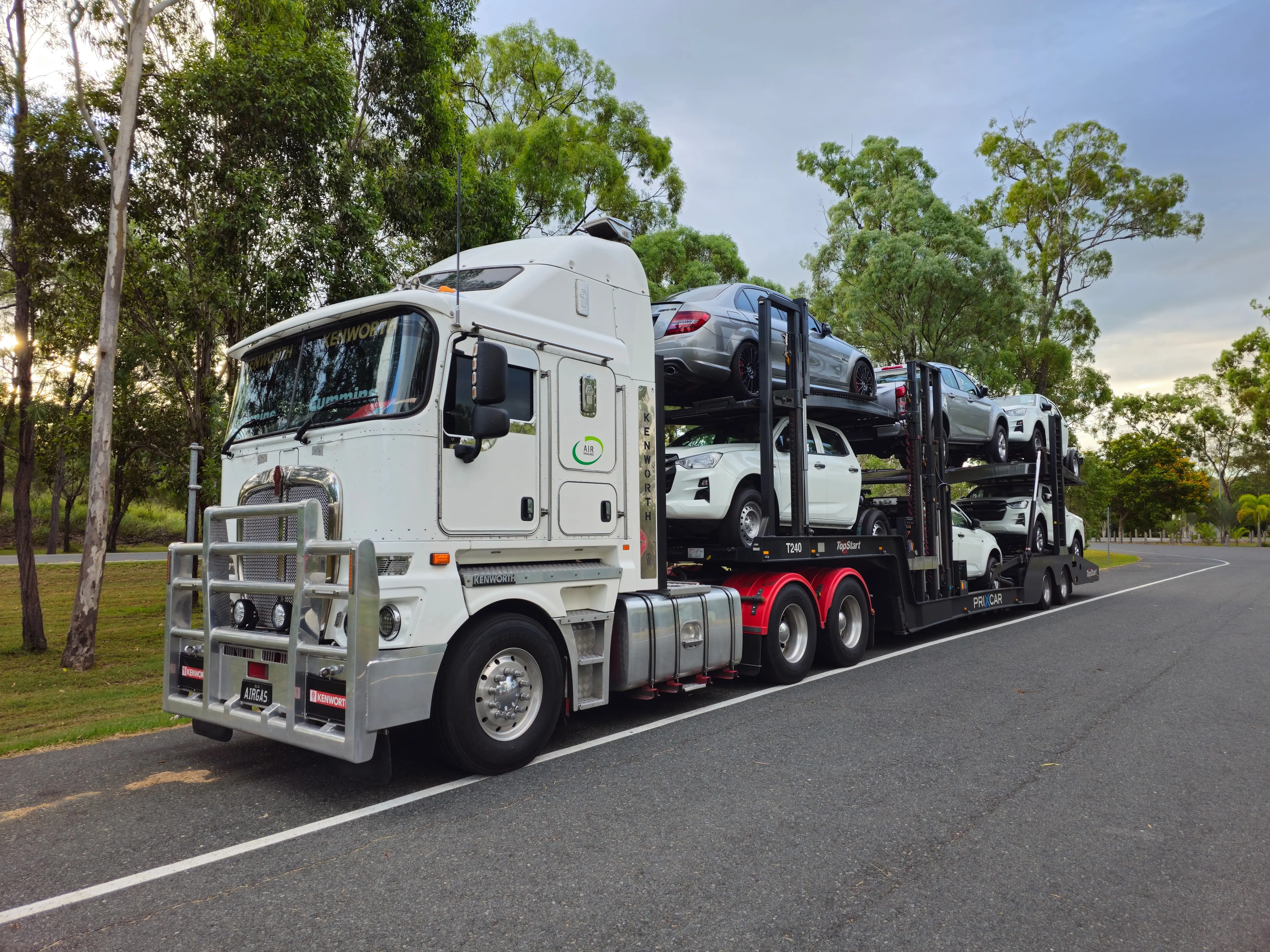
Moving several vehicles together usually works out considerably cheaper per unit than separate jobs. If you have more than one to move, it is worth quoting them as one.
Ask whether the price includes waiting time at loading and unloading. On moves to workshops, dealerships or compounds with slow procedures, that time can stretch, and it is worth knowing in advance how it is counted.
If the vehicle has any quirk — lowered suspension, an automatic gearbox locked in park, a flat battery — mention it when requesting the quote so the right equipment turns up.
Make sure the alarm is disabled, or that the driver knows how to disable it. An alarm going off in transit means stopping and complicates the job for no reason.
Keep the job documentation recording the vehicle's condition. It is the reference point if a question about damage and its timing comes up later.
On long moves, asking how many loading and unloading points the truck has helps explain the timescale. A truck making several stops takes longer than a direct run.
If the destination is an ITV test station, confirm you have a booked appointment and the time. Matching the vehicle's arrival to the appointment slot avoids long waits and a second visit.
Flag it if the vehicle has stood unused for a long period. Flat tyres, seized brakes or a completely dead battery all change how it has to be loaded.
Open transporters are the standard option and perfectly safe for most vehicles. Enclosed transport makes sense for classics, high-value cars and anything with very low ground clearance.
Know where the spare wheel and tools are if the vehicle carries them. On long moves, a loose item in the boot shifts during the journey and can damage the interior or the trim.
Be wary of quotes well below market rate. In vehicle transport, a low price usually means no goods-in-transit insurance, no operating authorisation, or neither.
Keep the job reference or delivery note. If you later need to evidence the move to an insurer, a workshop or the authorities, that document proves when and how the vehicle was moved.
If the vehicle will sit on a public street waiting for collection, check there are no timed restrictions or scheduled clearing on that road. A car towed by the local authority while waiting for transport complicates matters considerably and adds costs nobody planned for.
On vehicles with large-diameter wheels and low-profile tyres, the approach to the ramps needs more care. It is worth mentioning so the right angle is prepared and the tyre or rim is not scuffed.
If you are selling the vehicle and the buyer arranges transport, put in writing when responsibility passes. It is normally at key handover, but both parties benefit from having it stated.
An accessible collection point saves both time and money. If the street is narrow or the garage has restricted headroom, agreeing a nearby spot where the truck can manoeuvre simplifies everything.
If you will not be present at collection or delivery, put in writing who hands over and who receives the keys, with a phone number. This is the single most common cause of avoidable delay.
Before collection, check no personal documents are left in the glovebox. It is where forgotten paperwork most often turns up, and some of it contains details you would not want travelling unsupervised.
On classic vehicles with carburettors or older systems, say whether the engine needs any particular starting procedure. If it has to be moved even a few metres, that information saves time.
A vehicle leaking oil or fuel should be flagged before transport. It does not prevent the move, but it affects where the car sits on the deck and what protection goes underneath it.
Where a tailgate or bonnet no longer closes properly after an impact, secure it before loading. A tailgate that springs open at eighty kilometres an hour is a genuine hazard to other traffic.
Get the name and number of the driver handling the job, or at least a direct operational contact. On the day, being able to resolve a question in two minutes prevents an hour of waiting.
In low-emission zones, verify whether the transport truck can enter during the planned time window. Many restrictions apply to heavy vehicles even where the car being carried would itself be allowed through.
If the vehicle is in an underground car park, check the clearance height first. Many garages cannot take a transporter and the car has to be brought up to street level.
In summary
Car Transport 247 works across Sevilla and the whole of Spain, 24 hours a day, with goods-in-transit cover for the journey and the price fixed before we start. Tell us your situation and we will give you an honest answer on how it works and what it costs.
Broken down in Sevilla? Call us
Flatbed transport to the destination you choose, insured. Fixed quote, no obligation.